You can train perfectly and still grow slowly if you don't eat enough protein. Protein is what your body uses to repair and build muscle after every workout.
Here is how much you need, and the best foods to get it from, whether you eat meat or not.
How much protein do you need?
If you train with weights and want to build muscle, aim for about 1.6 to 2.2 grams of protein per kilo of body weight per day.
- A 60 kg person: about 100 to 130 g a day
- A 75 kg person: about 120 to 165 g a day
- A 90 kg person: about 145 to 200 g a day
Spread it over three or four meals, with about 25 to 40 g in each. If you have a kidney condition or another health problem, ask your doctor first.
The numbers below are approximate and can vary by brand and cooking method.
Non-veg high-protein foods
- Chicken breast: about 31 g per 100 g cooked. Lean, cheap and easy to cook in bulk.
- Eggs: about 6 g per large egg. Whole eggs are fine; the yolk has vitamins and healthy fats.
- Tuna: about 25 g per 100 g. Canned tuna is one of the cheapest protein sources there is.
- Salmon and other fish: about 20 to 25 g per 100 g, plus omega-3 fats.
- Lean beef or mutton: about 25 g per 100 g cooked, plus iron and zinc.
- Prawns: about 24 g per 100 g cooked, and very low in fat.
Dairy high-protein foods
- Greek yogurt or hung curd: about 10 g per 100 g.
- Paneer: about 18 to 20 g per 100 g. Great for vegetarians, but rich in fat, so watch portions when cutting.
- Cottage cheese: about 11 g per 100 g.
- Milk: about 3.4 g per 100 ml, so a big glass (300 ml) gives about 10 g.
- Whey protein: about 20 to 25 g per scoop. Not magic, just a convenient way to reach your target.
Veg and vegan high-protein foods
- Soya chunks: about 50 g per 100 g dry. One of the richest plant sources.
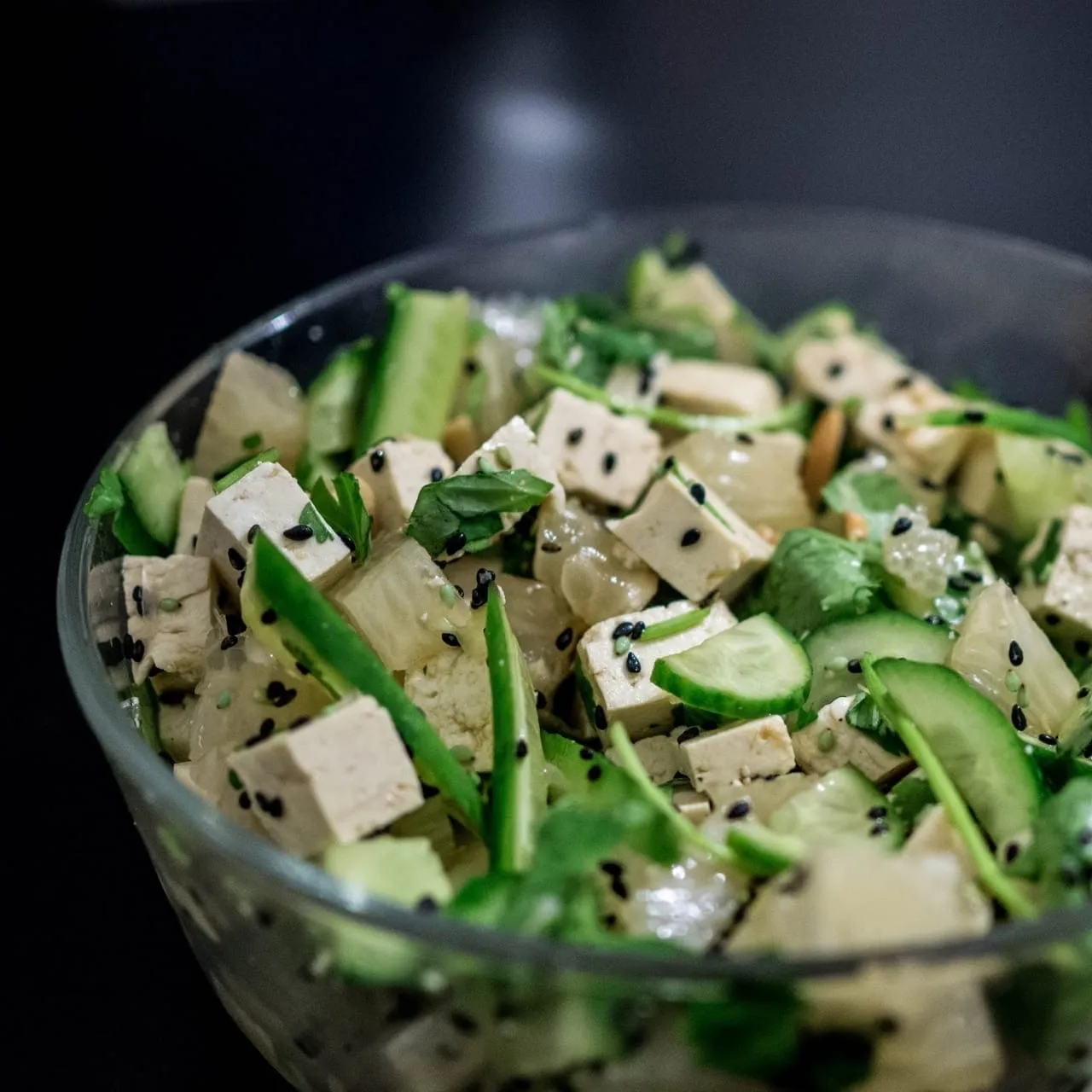
- Tofu: about 12 to 15 g per 100 g.
- Lentils (dal): about 9 g per 100 g cooked.
- Chickpeas: about 9 g per 100 g cooked.
- Kidney beans: about 9 g per 100 g cooked.
- Peanuts and peanut butter: about 25 g per 100 g, but also high in calories.
- Almonds: about 21 g per 100 g. A handful is a good snack, not a main protein source.
- Oats: about 13 g per 100 g dry. Add milk or yogurt to make a high-protein breakfast.
- Seeds (pumpkin, hemp, chia): about 18 to 30 g per 100 g, easy to add to meals.
Vegetarians can easily reach their protein target. The trick is to have a protein food in every meal, and to mix sources, such as dal with rice or curd with oats, so you get all the amino acids your body needs.
A sample high-protein day (about 140 g)
- Breakfast: 3 eggs or a tofu scramble, oats with milk: about 35 g
- Lunch: chicken breast or paneer with rice and dal: about 40 g
- Snack: Greek yogurt or a scoop of whey: about 20 to 25 g
- Dinner: fish or soya chunks with vegetables and a cup of chickpeas: about 40 g
Looking for a full meal plan with Indian food? Read our Indian gym diet for beginners.
Easy ways to eat more protein
- Start each meal with the protein food, then add rice, bread and vegetables.
- Keep easy options at home: eggs, yogurt, tuna, soya chunks, peanut butter.
- Cook chicken, paneer or tofu for two or three days at once.
- Use whey or a plant protein shake only to fill the gap, not to replace meals.
Do you need protein supplements?
No. Whole foods are enough for most people. A protein shake simply makes it easier on busy days. Whatever you take, choose a well-known brand that is tested by a third party.
Protein builds muscle only when you train for it. Pair this with our guide to building muscle fast and you have the whole plan.
This article is general information, not medical advice. If you have an injury or a health condition, check with a doctor before starting a new workout or diet.