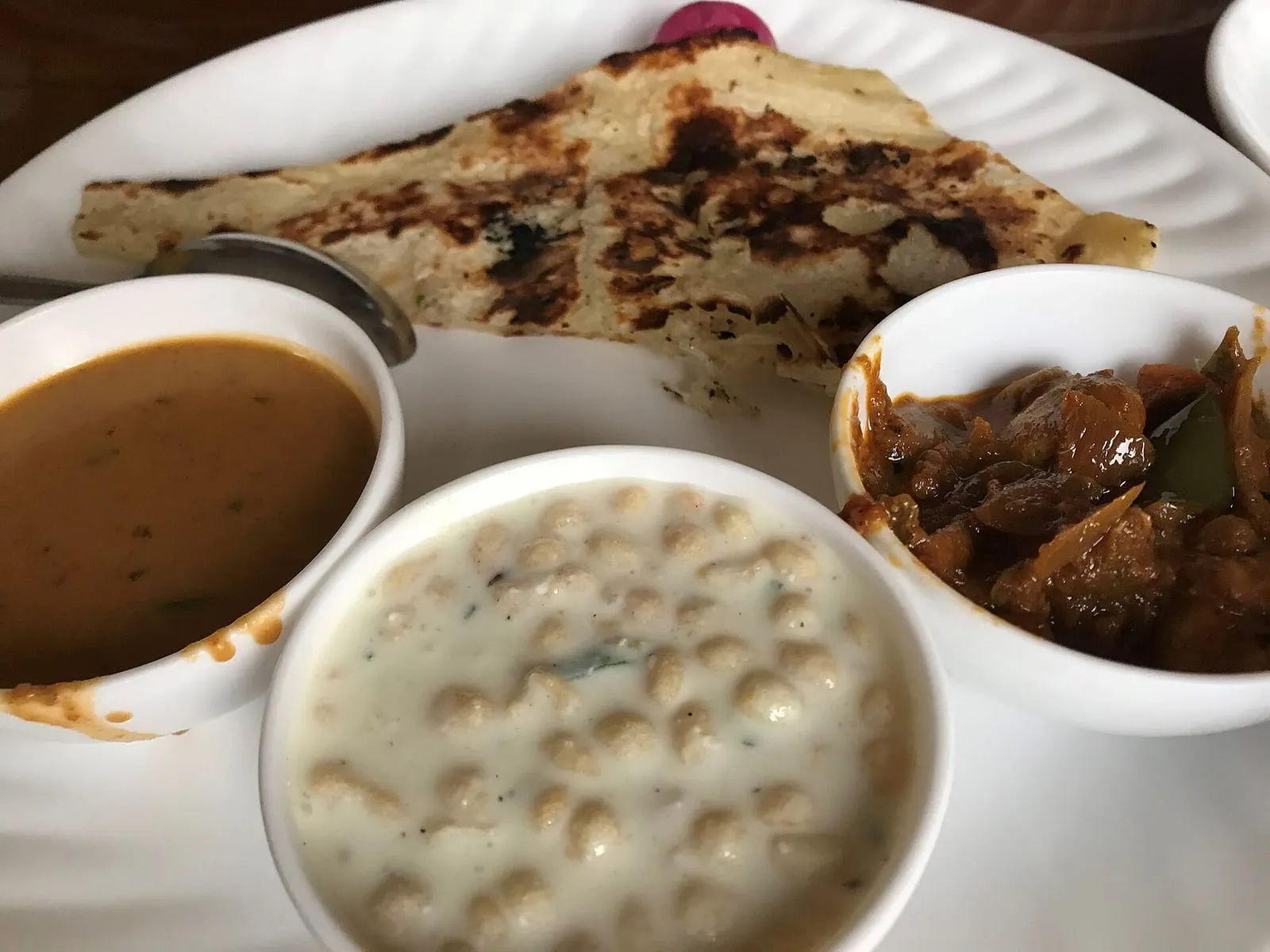
You can train hard six days a week and still look the same if your food doesn't support it. The good news: a normal Indian kitchen already has everything you need to build muscle. You don't need imported foods or expensive supplements, just the right amounts.
How much protein do you need?
For building muscle, most research points to about 1.6 to 2.2 grams of protein per kilo of body weight a day.
- 60 kg: about 95–130 g a day
- 70 kg: about 110–150 g a day
- 80 kg: about 130–175 g a day
A typical Indian diet often gives only 40–60 g, so most beginners need to roughly double their protein. Do it step by step: add one protein food to every meal.
The best desi protein foods
Approximate protein per serving:
- Eggs: about 6 g per egg
- Chicken breast, 100 g cooked: about 30 g
- Fish, 100 g cooked: about 20–25 g
- Paneer, 100 g: about 18 g
- Soya chunks, 50 g dry: about 25 g
- Chana, rajma or moong (cooked), 1 bowl: about 12–15 g
- Dal (cooked), 1 bowl: about 7–9 g
- Curd, 200 g: about 7 g
- Milk, 1 glass (250 ml): about 8 g
- Peanuts, a handful (30 g): about 7 g
- Whey protein, 1 scoop: about 20–25 g
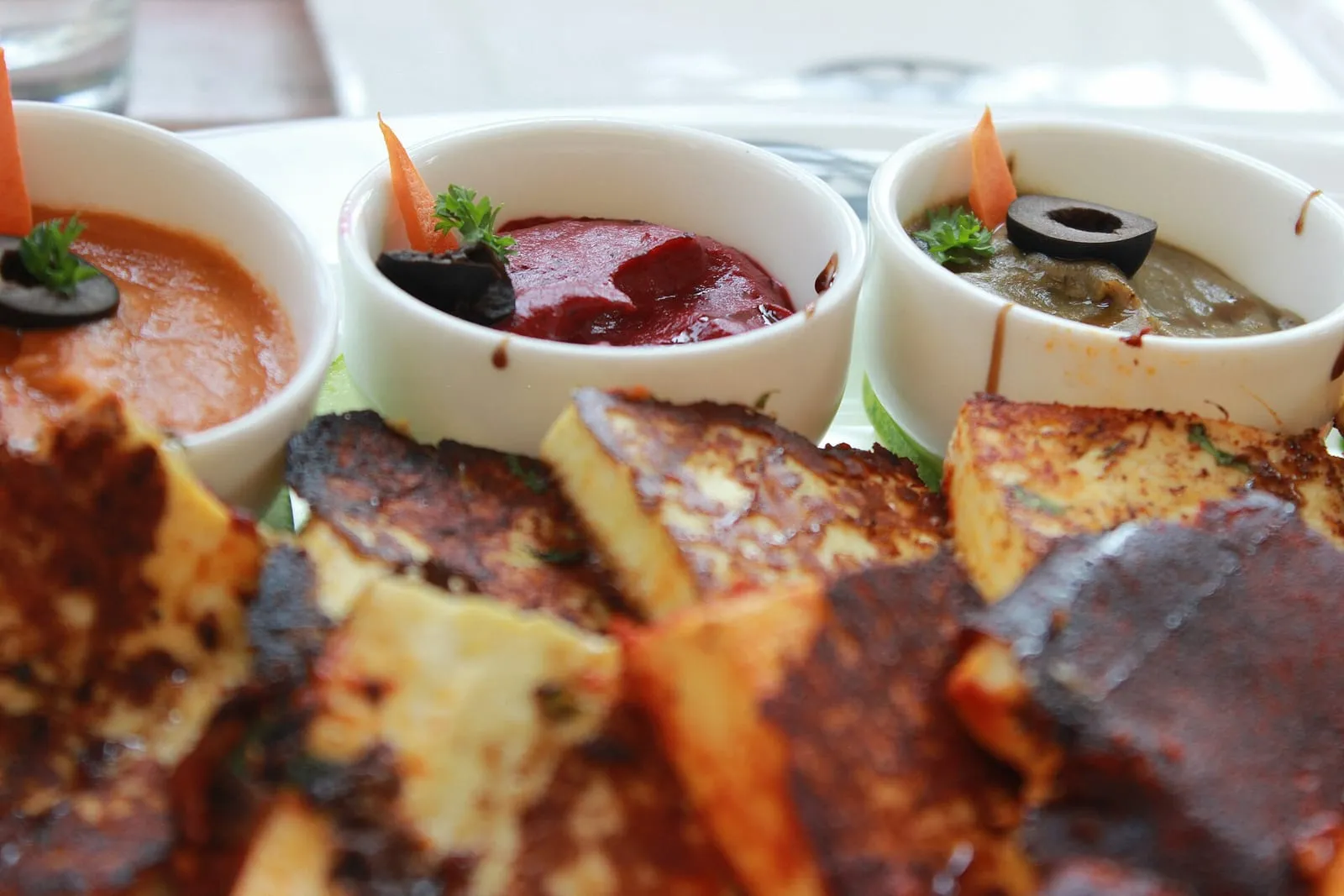
A full day of vegetarian meals (about 110 g protein)
Breakfast: 2 besan chillas stuffed with 50 g paneer, and a glass of milk (about 25 g)
Lunch: 2 rotis, 1 bowl dal, 1 bowl rajma or chana, salad and 200 g curd (about 35 g)
Evening snack: roasted chana or a handful of peanuts, and a fruit (about 8 g)
Dinner: soya chunk curry (50 g dry), 2 rotis or a bowl of rice, and a sabzi (about 32 g)
Before bed: a glass of milk (about 8 g)
A full day of non-vegetarian meals (about 130 g protein)
Breakfast: 3-egg omelette, 2 slices of toast and a glass of milk (about 30 g)
Lunch: 150 g chicken curry, rice, a bowl of dal and curd (about 60 g)
Evening snack: a handful of peanuts and a banana (about 8 g)
Dinner: fish curry or egg bhurji with 2 rotis and a sabzi (about 30 g)
Carbs and fats are not the enemy
Roti, rice, poha, oats and potatoes give you the energy to train hard. Ghee, nuts and oil in normal amounts are fine. To gain muscle, eat a little more than you burn; to lose fat, a little less, but keep protein high either way.
Simple rules that work
- Protein in every meal, not just one big dose.
- Eat on time. A meal 1–2 hours before training and a protein-rich meal after it.
- Drink water, about 3 litres a day, more in summer.
- Fruit and vegetables daily for vitamins and digestion.
- Limit sweets, fried snacks and sugary drinks; they add calories without much protein.
Do you need supplements?
No, food comes first. Whey protein is simply convenient if you can't reach your target with meals. Creatine monohydrate (3–5 g a day) is the one supplement with strong research for strength and muscle. Skip "mass gainers" full of sugar, and never use steroids.
Want the training side too?
Food builds muscle only when training asks for it. Pair this diet with our 3-day beginner workout plan.
Protein values are rounded averages and vary by brand and recipe. If you have diabetes, kidney problems or another health condition, ask your doctor or a dietitian before changing your diet.
This article is general information, not medical advice. If you have an injury or a health condition, check with a doctor before starting a new workout or diet.